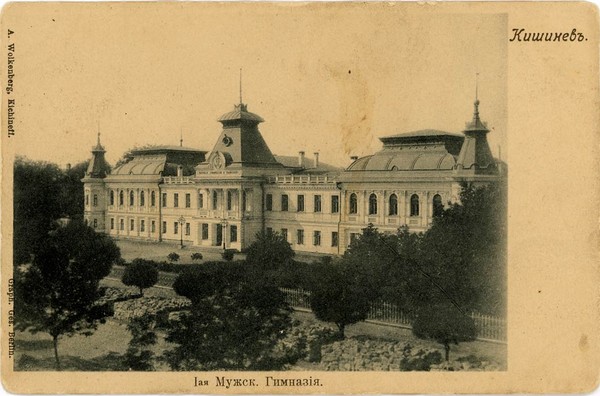
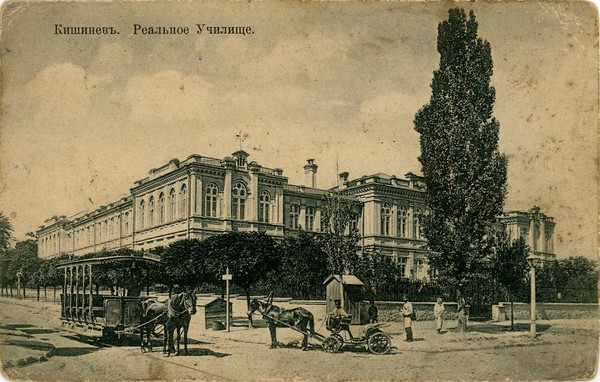
The postcard... Is it not a reflection of the life of people, of a country, of an era? Is it not part of the general artistic culture? Is its right to be an element of material and historical culture recognized, arising in response to the needs of the day and participating in everyday necessities? What role can be assigned to this small form in education, promotion and the cultivation of artistic taste?
The first postcard was issued 135 years ago in Austria-Hungary. In the Russian Empire, “open letters” appeared in 1871. After Russia joined the Universal Postal Union, inscriptions in Russian and French appeared on them. In 1894, the Russian Minister of Internal Affairs authorized privately produced open-letter forms. From that time onward, the imagination of publishers knew no bounds.
The postcard has always been an active participant in events. An entire world in all its diversity is represented in it. Postcards also preserve for us the appearance of architectural masterpieces in all their magnificence.
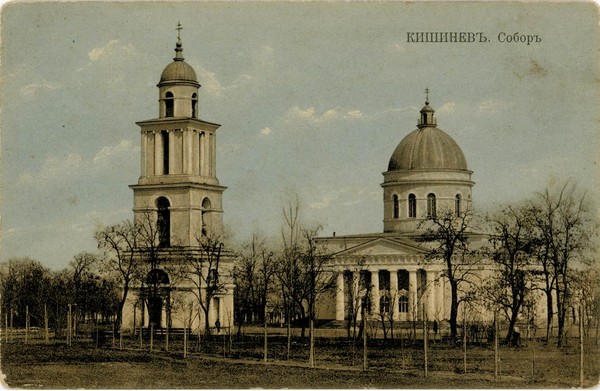
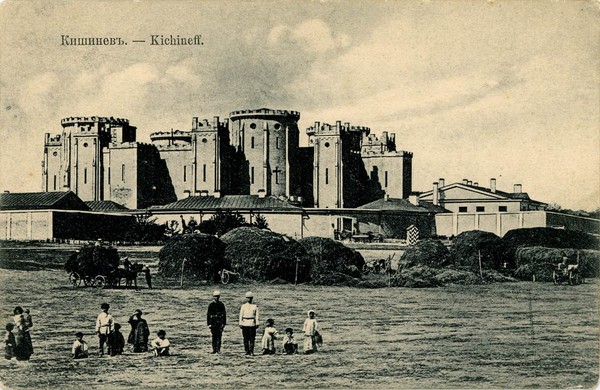
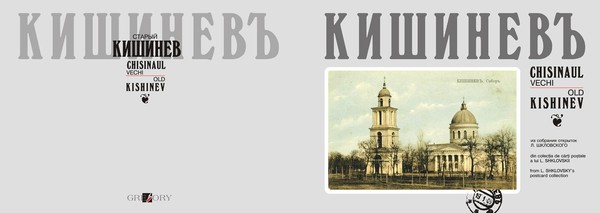
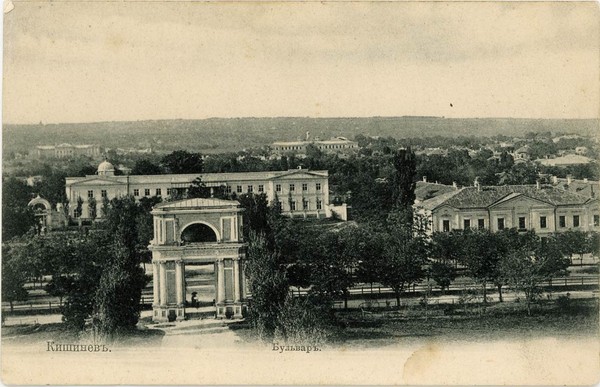
This publication presents postcards of “Old Chișinău” from the collection of Leonid Shklovsky. The architectural monuments of Chișinău depicted on the postcards look different, but each of them possesses a certain distinctive feature. Interweaving in styles and movements, entering into dispute with one another, they enable us to experience the enchanting architecture that has come down to us from the depths of the centuries.
An architectural structure is not merely a historical concept. It is not only “frozen music.” It is also the cultural heritage of a people, the artistic and structural features of a monument, and the worldview of an era. And, finally,- it is the passing of the baton from one formation to another, from one generation to another, from one group of master builders to other architects.
Whether in color or black and white, the postcard, like a messenger from days gone by, genuinely lives today, reminding us of the architectural creations of Chișinău that adorn the city’s streets and squares. One peers into these miniatures and agrees that they are a special thread connecting the centuries with our own days.. And one understands that each such message truly is a monument. That it is a living embodiment of history, unique and vividly expressed, protecting the city from standardized imagery.
Upon becoming acquainted with the “Old Chișinău” postcards, one senses the poetry, the spiritual climate, without which it is impossible to appreciate and understand the city of today. It is precisely the architectural monuments that have survived to the present day that, to a greater extent, constitute the treasury of architecture and the city’s unique appearance.
Sometimes a postcard depicts a work that, unfortunately, has not survived. It is the sole custodian, reviving in memory the images of the structure - a document of the era. And we try to reconstruct it and imagine the situation of its presence. We allow ourselves to compose a story about the architect-creator, about the events that took place at this location, about the color scheme and the silhouettes of the townspeople.
Thus, a small collection of reproductive and documentary photographs /postcards/ of “old” Chișinău can immerse us in pleasant reflections on time, culture, history and collecting.
In becoming acquainted with such publications, one realizes how diverse the world of postal correspondence is.